
How Luxury Guests Want to Be Understood
A Conversation with Rachael Palumbo, SVP of Global Hotel Brand Marketing at Nobu Hospitality
In luxury hospitality today, restoration is no longer the goal, it’s the baseline. The modern traveler expects more than comfort and service. They want recognition. Not the performative kind, but something quieter and more sophisticated.
Guests want brands to remember what matters, and ignore what doesn’t.
Personalization has evolved. It’s no longer about over-delivering amenities or staging elaborate welcome gestures. The new challenge is knowing the guest well enough to enhance their stay, while maintaining the restraint that defines true luxury.
To explore how this balance plays out in practice, we spoke with Rachael Palumbo, Senior Vice President of Global Hotel Brand Marketing at Nobu Hospitality.
As a brand that spans hotels, restaurants, and residences across the world, Nobu operates within a unique ecosystem where guest recognition happens across multiple touchpoints. That makes the question of how a guest wants to be understood particularly nuanced.
Understanding the Guest Across the Nobu Ecosystem
For Nobu, recognition starts long before a guest checks into a hotel room.
The brand was built on dining and that origin continues to shape how Nobu understands its guests today.
“For Nobu, feeling understood means anticipating guest preferences without being intrusive or managed,” Palumbo explains. “Because we’re a dining-rooted brand, our guests move between the restaurant, hotel, and residences. Recognizing them across that ecosystem is incredibly important.”
Nobu’s first restaurant opened in Tribeca more than three decades ago. Today, the brand has grown into a global hospitality presence, but the philosophy of service remains grounded in the restaurant experience.
Through dining, teams often learn the details that matter most to guests.
- Where they prefer to sit.
- Who they like interacting with.
- What they enjoy eating and drinking.
These insights travel across the brand.
“Understanding how someone experiences Nobu through cuisine can be very different than understanding them through a hotel stay,” Palumbo says. “But together, those touchpoints create a much richer picture of the guest.”
The result is a form of recognition that feels intuitive rather than orchestrated.
“When service feels natural and personal,” she says, “guests begin to feel a sense of belonging within the Nobu community.”
Personalization Without Assumptions
One of the biggest misconceptions in luxury hospitality is assuming what guests want.
“People often think luxury means champagne on ice or elaborate romantic setups,” Palumbo says. “But that isn’t luxury for everyone.”
In fact, those assumptions can create the opposite of a personalized experience.
“Making guests feel understood is complicated, because we often project what we think luxury should look like.”
At Nobu, teams focus on gathering insights before the guest arrives, often through restaurant relationships or prior stays.
The goal isn’t to overwhelm the guest with gestures, but to remove friction from the experience.
Sometimes, the greatest luxury is simply less interaction.
“Maybe no interaction is luxury for that guest,” Palumbo notes. “That’s something you have to pick up on early.”
Even operational details reflect this thinking. A quick check-in process. Housekeeping that aligns with guest schedules. Service that adapts to how the guest actually lives during their stay.
“Guests shouldn’t feel like they have to schedule their day around the hotel. The hotel should work around them.”
Where Personalization Ends and Restraint Begins
While personalization can enhance comfort, restraint is equally essential to preserving brand identity.
At Nobu, this philosophy is embedded in both service and design.
“Personalization should support comfort and familiarity,” Palumbo says. “Dining preferences, room setup, wellness routines, these are areas where personalization truly enhances the experience.”
But the brand draws a clear line when personalization begins to disrupt the aesthetic or emotional tone of the property.
Restraint becomes the defining principle.
“We’re very intentional about keeping things uncluttered,” she explains.
That approach shows up everywhere, from dining presentations to guest room design.
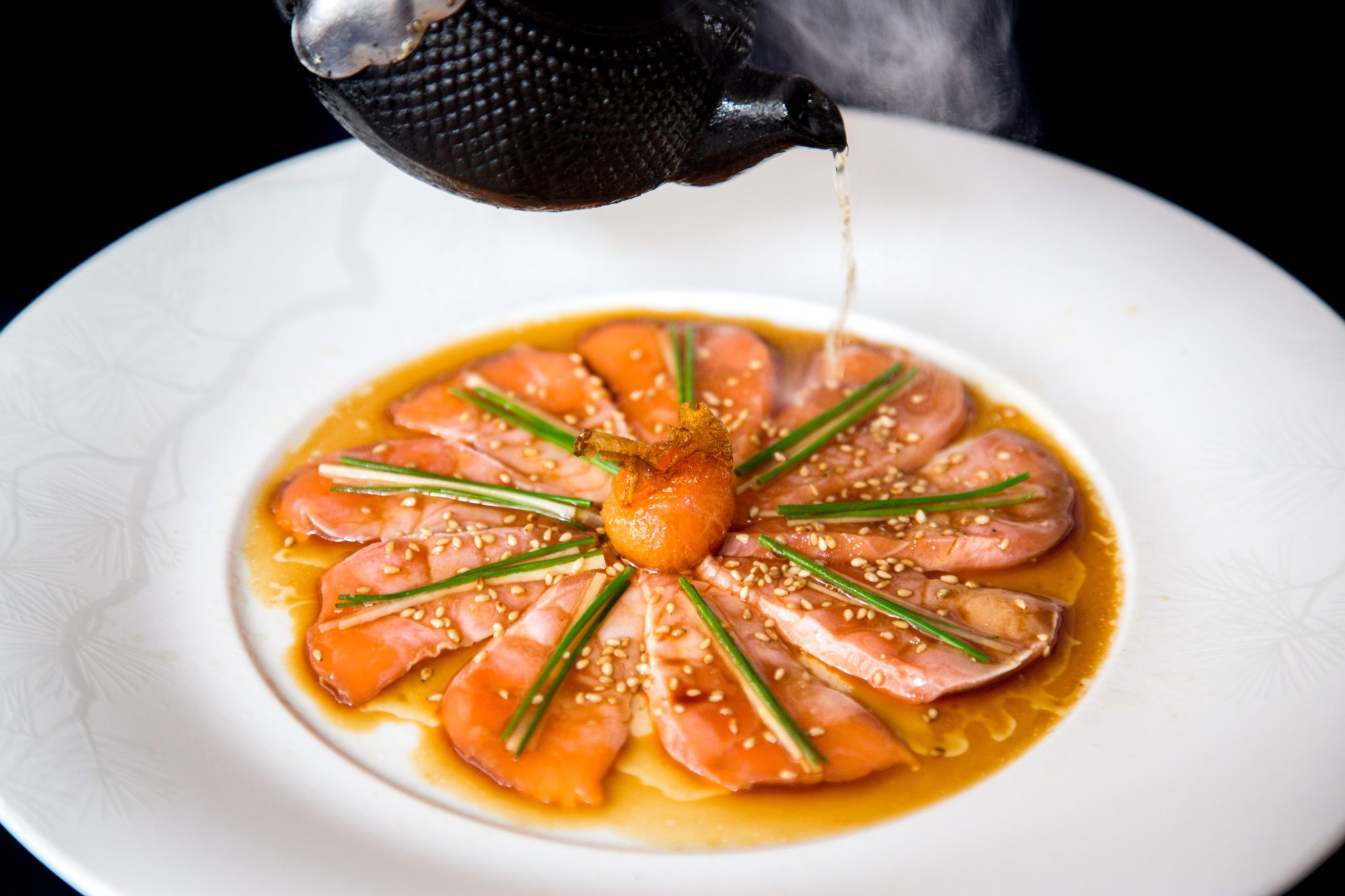
There are no unnecessary elements on the table.
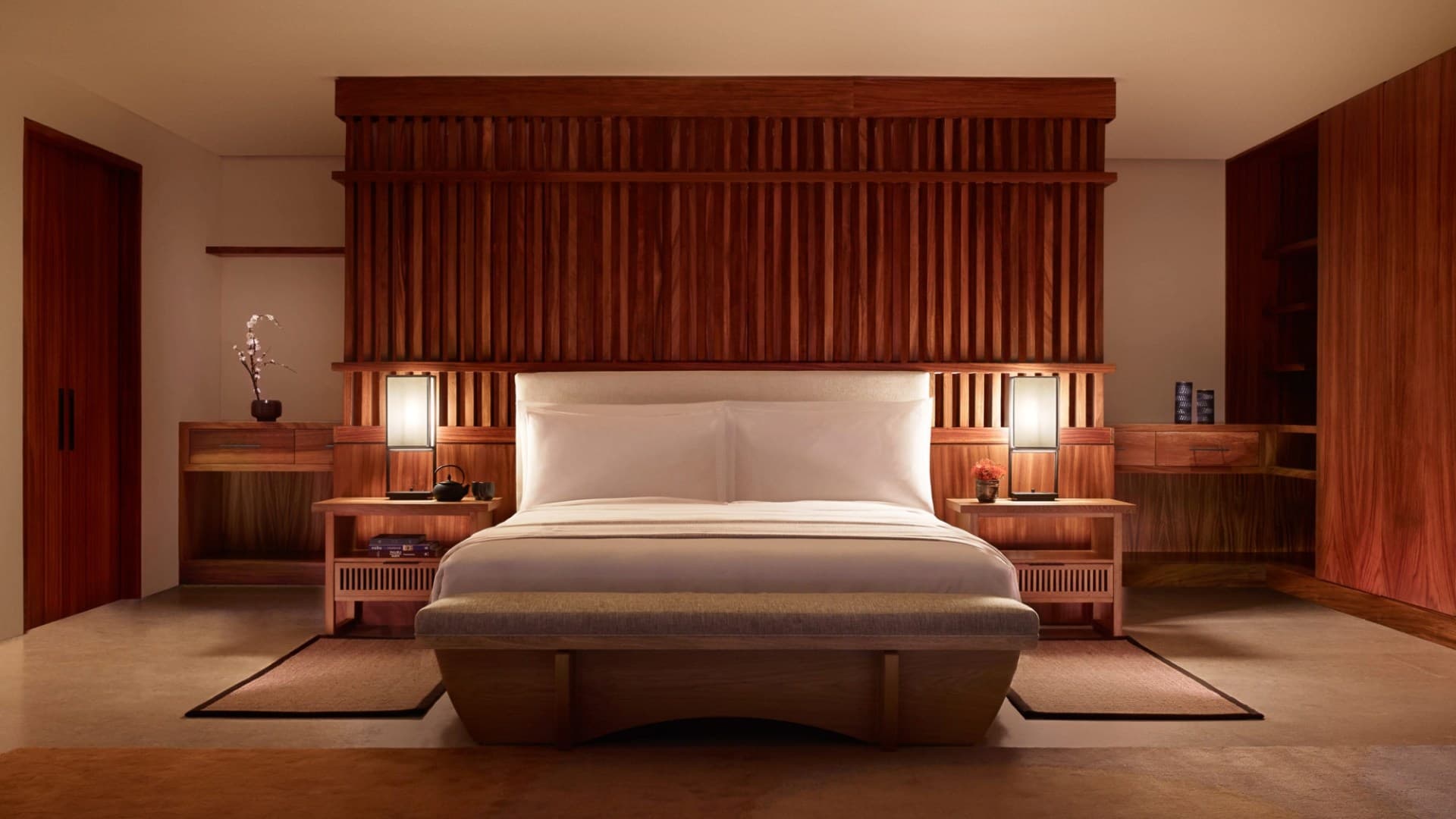
No excessive branding in guest rooms.
No visual noise.
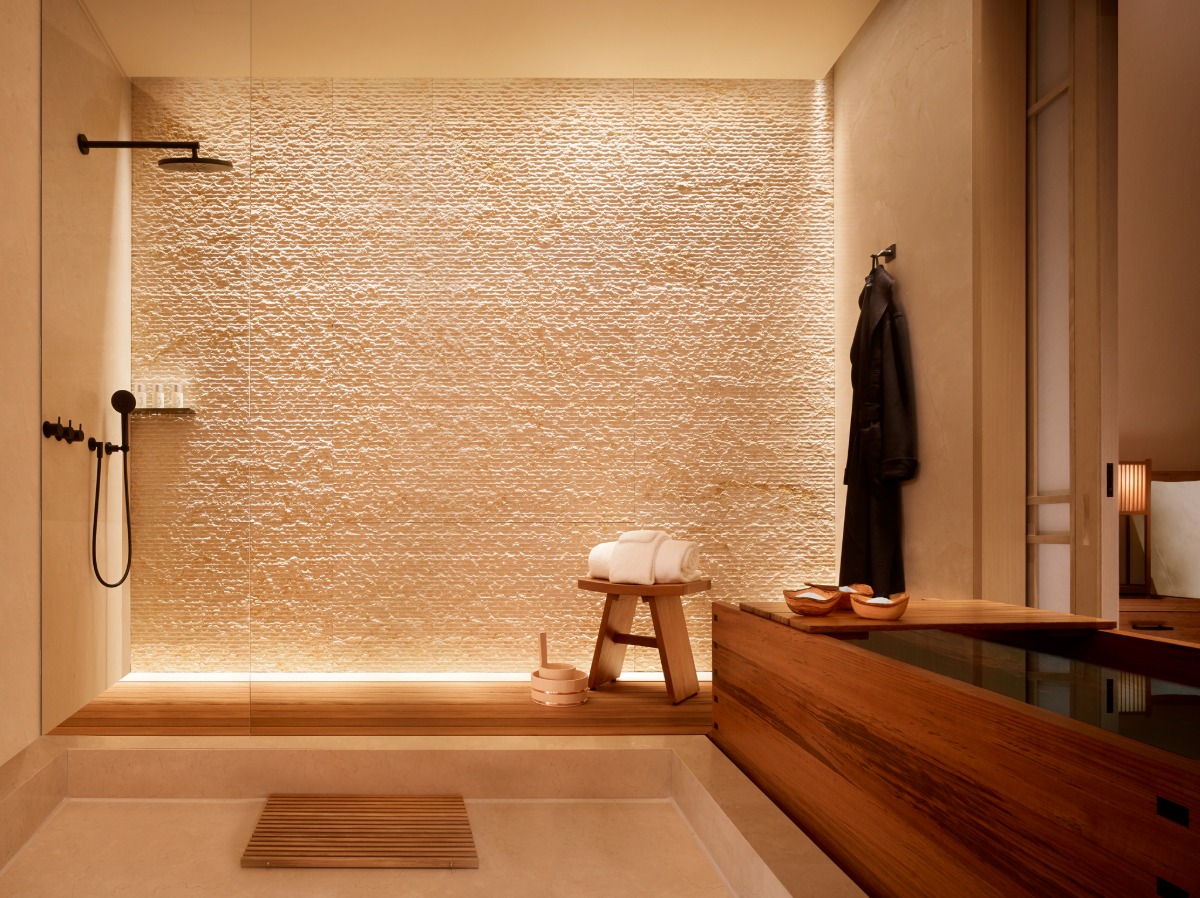
“We don’t put logos everywhere. The spaces are minimal and calm, which allows guests to settle into the experience.”
For many travelers, the stay is an escape from overstimulation, from business, schedules, and digital overload. A restrained environment allows them to reconnect with that sense of calm.
Consistency Across the World, Without Losing Place
Nobu now spans destinations across the globe, but each property must feel both distinctly Nobu and deeply local.
That balance begins with a strong brand foundation.
Signature cuisine.
Thoughtful design.
And a philosophy of hospitality rooted in omotenashi, the Japanese spirit of anticipating needs without being intrusive.
“Omotenashi is about reading signals and responding naturally,” Palumbo explains. “It’s central to how we think about hospitality.”
Within that framework, each hotel reflects its destination.
No two Nobu properties look the same.
Architecture responds to place.
Restaurants source ingredients locally.
Experiences connect guests to the surrounding community.
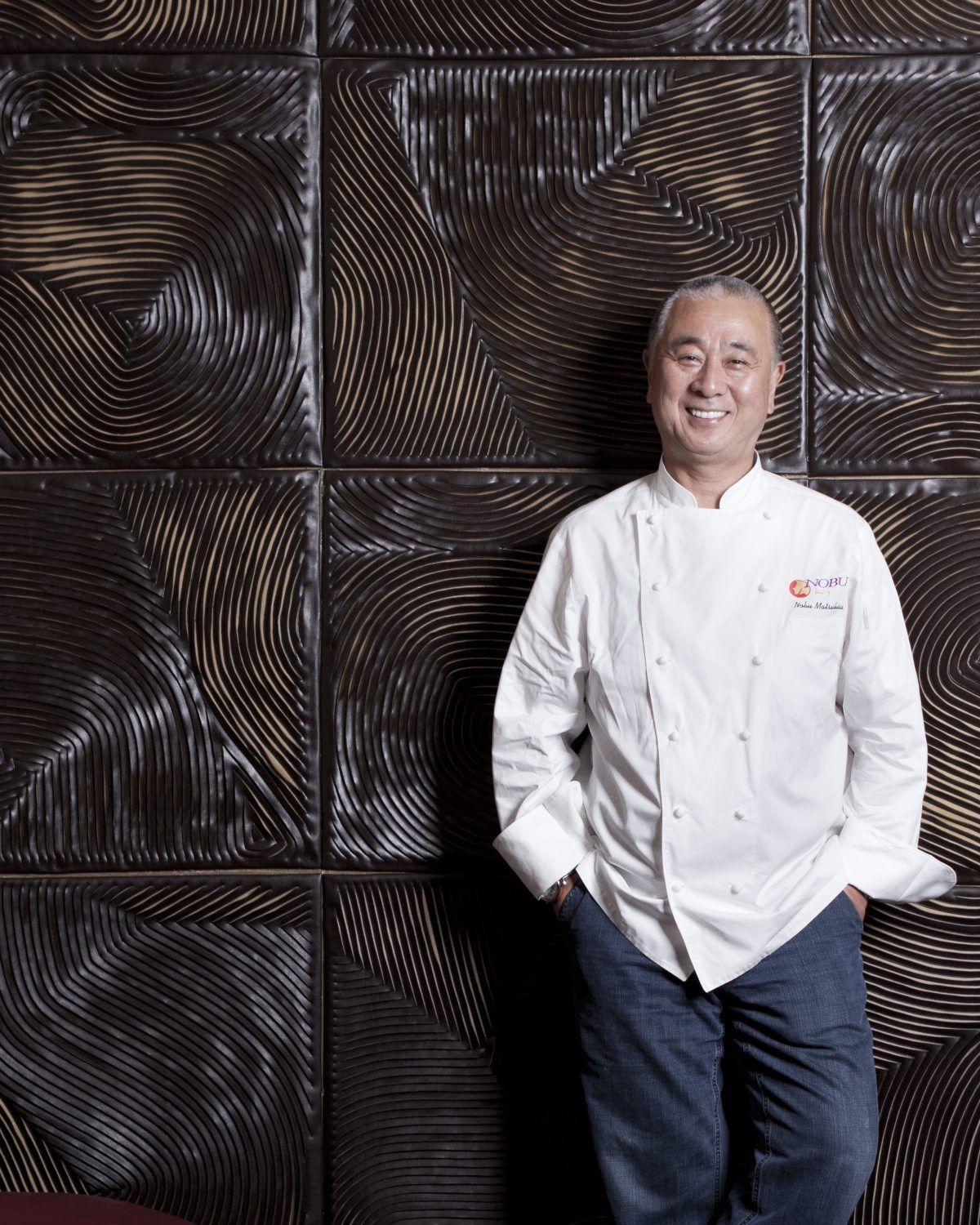
Chef Nobu Matsuhisa himself maintains a hands-on role when entering new markets.
“When Chef Nobu visits a new destination, he goes to the fish markets and meets local vendors,” Palumbo says. “It’s essential that the ingredients reflect the place we’re in.”
Local guests also play a vital role in shaping the atmosphere of each property.
“We want the restaurant to feel like the most exciting place in the city. When locals are coming in, the entire property feels alive.”
Guests staying at the hotel then experience both sides of the brand: the global identity and the pulse of the destination.
“The result,” Palumbo says, “is something unmistakably Nobu, while still feeling deeply connected to where you are.”
The New Luxury: Being Known, Quietly
As luxury hospitality evolves, the challenge is no longer simply delivering memorable service.
It’s understanding the guest with enough nuance to know when to act, and when not to.
At Nobu, that balance comes from a blend of data, intuition, and philosophy.
Recognition happens across restaurants, hotels, and residences.
Personalization enhances comfort without overwhelming the experience.
And restraint preserves the calm that modern travelers increasingly seek.
In the end, feeling understood isn’t about grand gestures.
It’s about subtle signals that tell a guest:
We know you’re here, and we know what matters to you.