
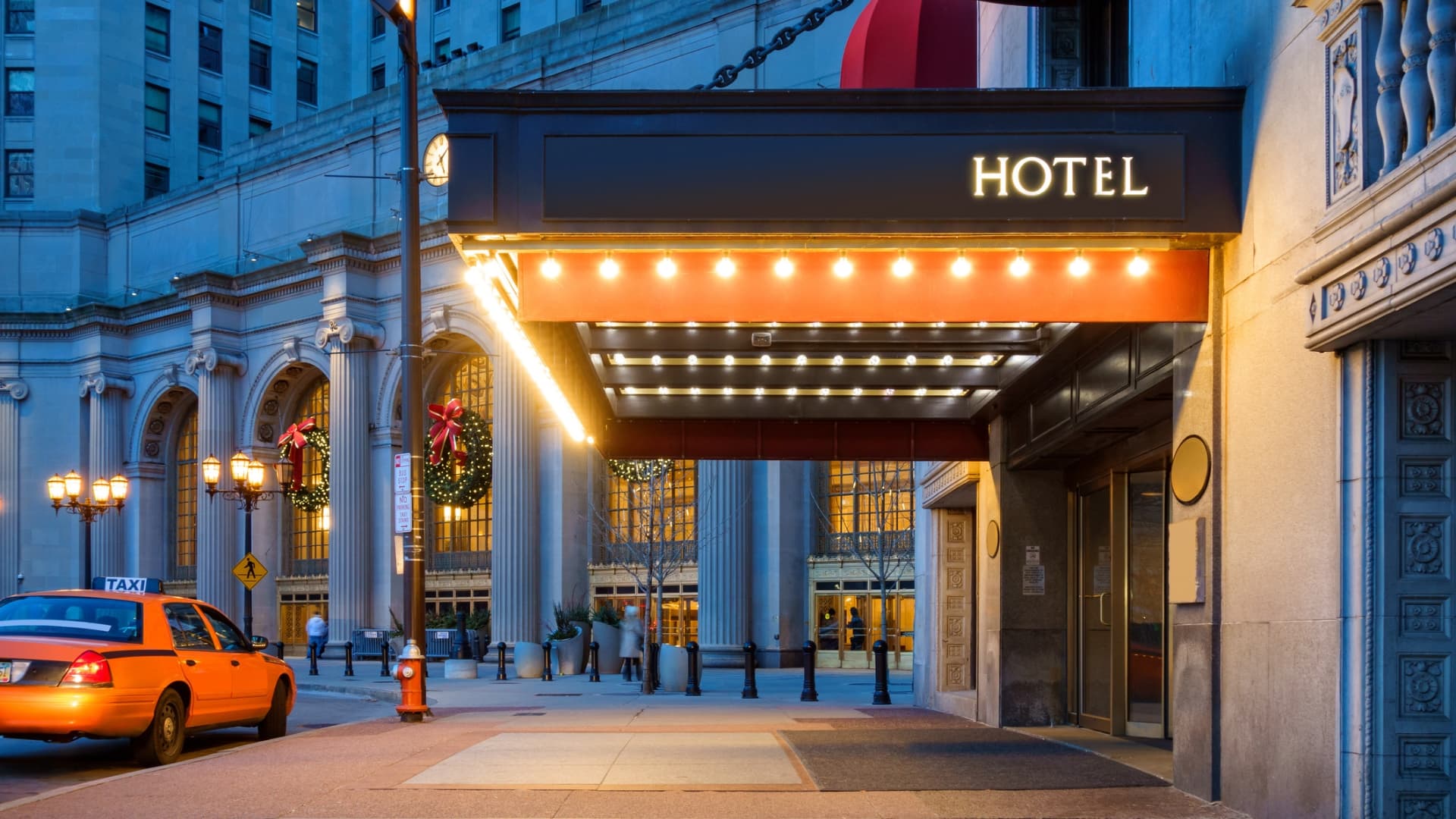
Luxury Hotel Marketing: Copywriting Clichés and Smarter Alternatives
Luxury hotel marketing lives and dies on language. The words you choose shape how travelers perceive your brand, how you rank in search, and whether potential guests feel compelled to book. In the luxury segment, however, many properties lean on tired clichés that have been used so often they’ve lost all meaning.
The Trap of Overused Buzzwords
The first trap is generic "value" phrases like "hidden gem" or "paradise." Once evocative, they’re now so overused that they make a property sound interchangeable, not exclusive. The same is true of trending food and experience buzzwords such as "artisanal" and "farm-to-table," which blur genuine high-end offerings into a sea of sameness.
Even the word "luxury" itself has been diluted, thanks to mid-market hotels using it to describe fairly standard amenities. As a result, simply calling yourself "luxurious" often does little to convince discerning travelers that your experience is truly special.
Show, Don’t Tell: The Power of Specificity
Instead, this Cvent article argues, luxury brands should show, not tell. Start by describing a vivid sense of place with specific, concrete adjectives that transport readers into your world. Rather than listing dry facts like a brochure, or overloading on prose, aim for language that is both accurate and atmospheric. Don’t claim you are luxurious; demonstrate it through details that only your property can own - your textures, light, sounds, rituals, and service touches.
For example, instead of a vague promise of elegance, describe "glamorous brown velvet walls and glowing candlelight" in the restaurant, or "sumptuous beds topped with silky duvets and goose-down pillows and spacious, marble-tiled baths." These sensory details make readers feel the experience before they arrive, differentiating you from other hotels that lean on empty adjectives. When paired with strong photography, this kind of copy doesn’t just spark wanderlust; it also helps convert lookers into bookers by making the value of your rate unmistakable.
Finding the Right Balance
That doesn’t mean banning the word "luxury" entirely. It still matters for search and category signaling. But the article recommends using it sparingly and strategically, relying primarily on evocative description to carry the story. In practice, successful luxury copywriting is about precision and restraint: cutting clichés, grounding your promises in specific proof, and letting travelers recognize the luxury for themselves in every carefully chosen detail.
Related Articles

The Ritz-Carlton and the U.S. SailGP Team Bring Race Weekend to New York City
May 2026
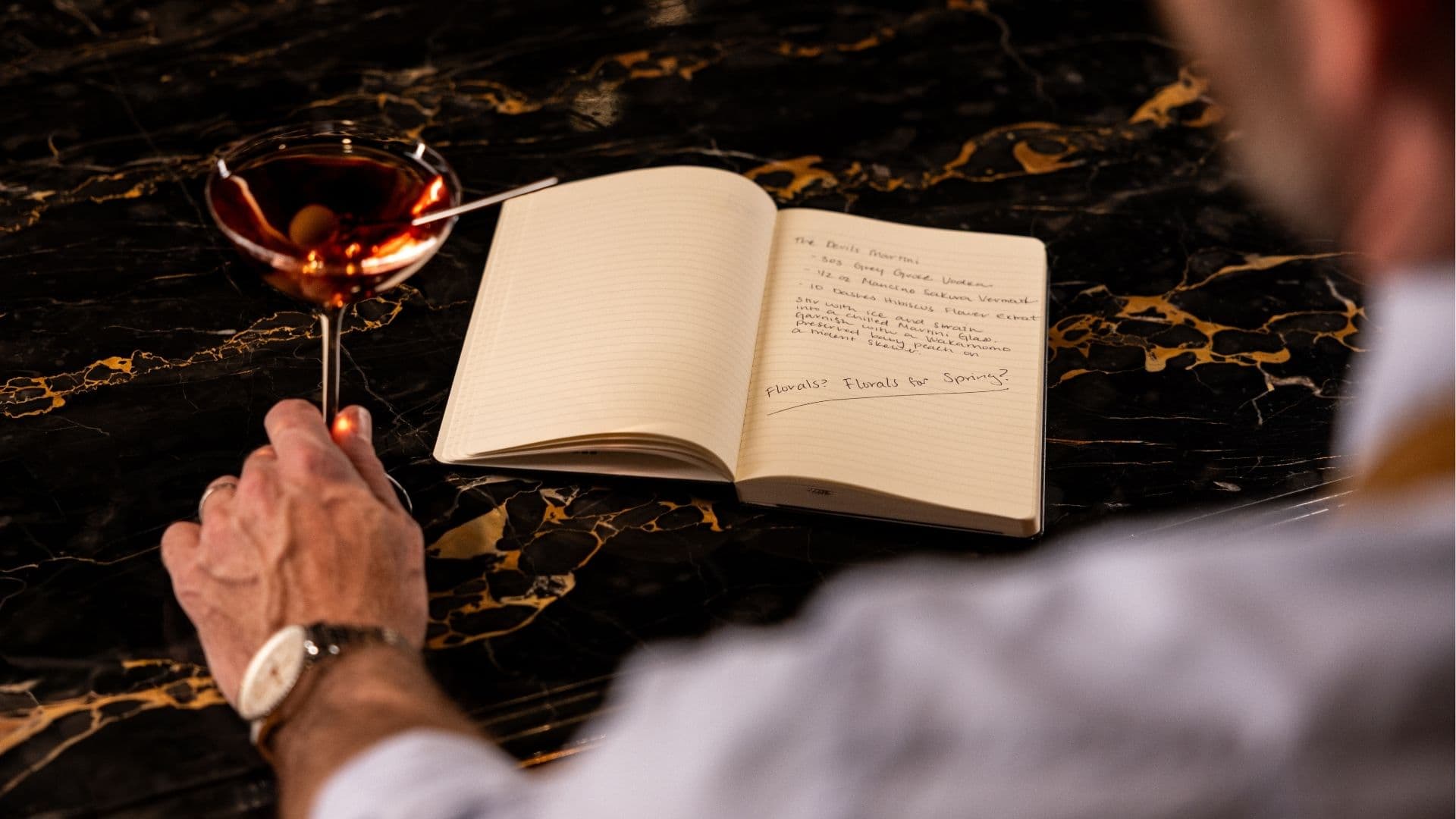
Waldorf Astoria Hotels & Resorts Introduces The Devil's Martini, Inspired by The Devil Wears Prada 2
May 2026

Marriott Bonvoy and Visa Launch "For Fans, Everywhere" Campaign Ahead of FIFA World Cup 2026
April 2026